When Life Moves Without You
There are moments when life appears to move forward without asking whether we are prepared to be left behind.
A family relocates and one person remains. Friends enter university while another waits. Colleagues advance. A relationship ends. An opportunity closes before your name is called.
Insight No. 12 examined labels imposed on identity. Insight No. 15 examined an answer that remained unresolved. This essay begins after something more definite has happened: a departure, exclusion or missed opportunity has already occurred.
The pain is not only that something moved without you. It is the feeling that your readiness did not matter.
You had hope. You had prepared. You may even have believed the plan included you.
Then other people continued and you remained where expectation used to be.
Being left behind can feel like a verdict. It is not one.
The Wound Is More Than the Missed Journey
Exclusion can injure more than the immediate opportunity.
It may make a person question whether they were seen, valued or considered worthy of an explanation.
A missed journey becomes: I was not important enough to include.
A rejected application becomes: People like me do not belong there.
A decision made without consultation becomes: My voice has no weight.
These conclusions feel convincing because they arise beside a real loss. But the event and the meaning attached to it are not identical.
When people leave without us, the mind often tries to make the experience permanent:
I was not chosen becomes I will never be chosen.
I missed this opportunity becomes there is no opportunity for me.
They did not consider me becomes I am not worth considering.
You may genuinely have been overlooked, dismissed or treated unfairly. Truth requires naming that.
Truth also requires refusing to let one act of exclusion become the complete interpretation of your future.
One departure proves that a particular journey happened without you. It does not prove that movement itself has ended.
The Morning Lagos Left Without Me
I learned this as a very young girl on the morning my grandmother travelled to Lagos.
No one had plainly said, “You are coming with us.” But I was bathed early, dressed carefully and allowed to watch the bags enter the car. Hope filled what had not been stated.
Then Nene told me, “You cannot go to Lagos with this one. Go and change into that better dress I bought for you.” To a child, those words sounded like confirmation.
I hurried inside. The replacement dress was slightly too large. I wrestled it over my head, stood before a small fractured piece of mirror and told the girl I could see, “I am ready.”
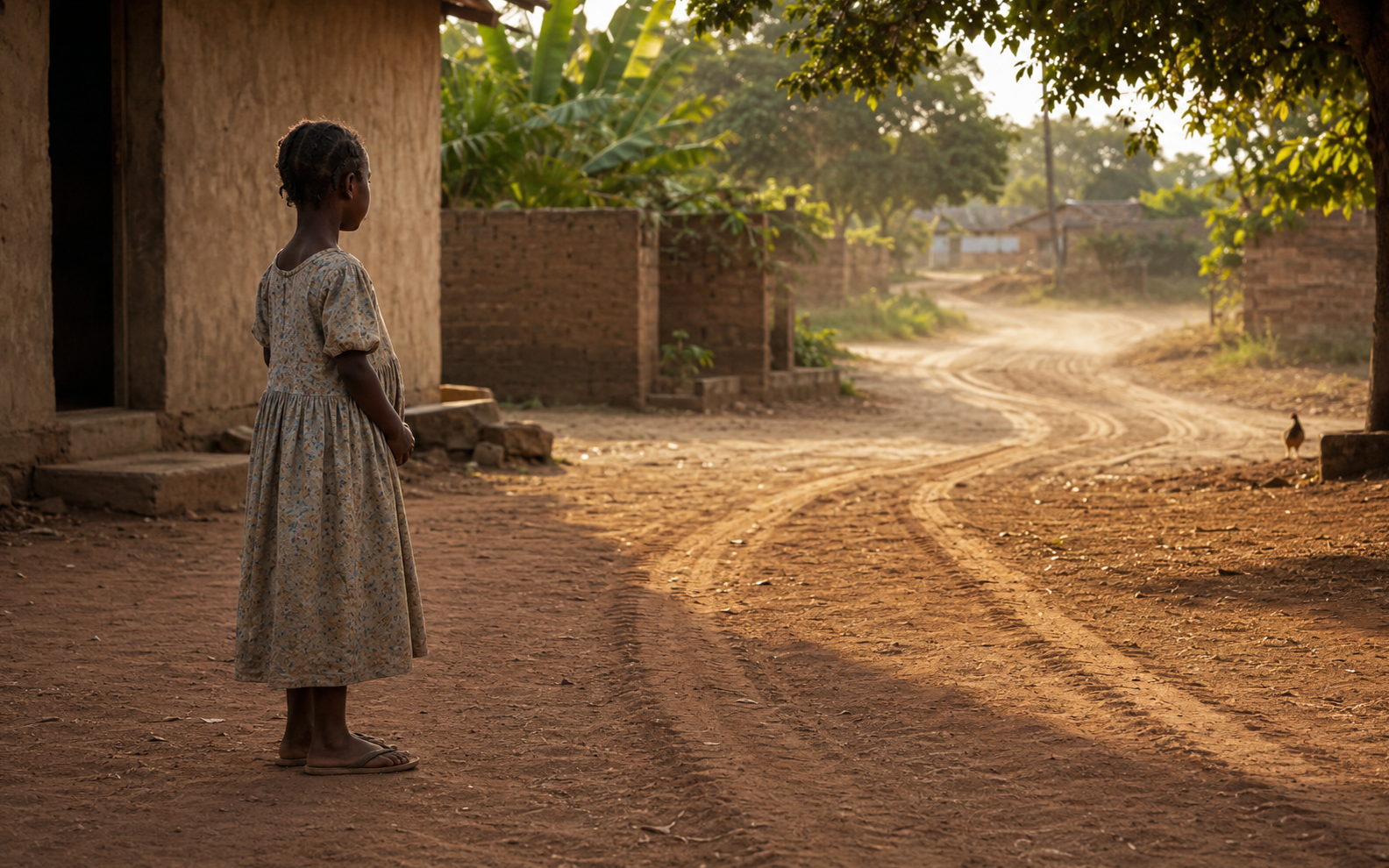
When I returned to the compound, the car was gone.
Dust still hung low in the air. Tyre marks curved towards the main road. A chicken pecked near the place where the vehicle had stood.
I was told that they had needed to leave early, that I was too small and Lagos was too far.
The instruction to change had not prepared me for departure. I understood it as the distraction that carried me away from the moment they left.
I cried with the complete heartbreak of a child who had been acted upon but not included.
What hurt was not only missing Lagos. It was discovering that my hope had been managed without my voice.
That morning left a sentence inside me: They have gone. I am still here.
Years later, another question would repeatedly answer it: What will you do now?
Grieve What You Missed
Resilience is often demanded too quickly.
People are told to rise, move on and be strong before they have been allowed to admit that something mattered.
Grief is not the enemy of forward movement.
You may need to mourn the invitation that never came, the childhood opportunity that was withheld, the relationship you expected to last or the season that did not unfold as promised.
Grief says: I wanted this. I prepared for it. Its loss affected me.
Cry. Write. Pray. Speak with someone trustworthy. Seek professional support when the wound is deep or persistent.
Then ask what the loss has revealed, what it has changed and what remains available.
Grief should tell the truth about the loss. It should not be required to become your permanent address.
Small Steps Restore Agency
The first movement after exclusion is rarely dramatic. It may be a return to ordinary work.
After Lagos left, the household continued. Water still had to be fetched. Food had to be prepared. School still waited. My hands returned to the life in front of me.
Ordinary duties did not erase the hurt, but they prevented the hurt from becoming the only activity of the day.
A small next step may be completing another form, asking why a decision was made, saving a small amount, studying one chapter, calling one person, resting enough to think clearly or learning a skill the missed opportunity exposed.
Do not despise the step because it does not resemble the outcome you imagined.
Forward movement often begins in a form too modest to impress anyone.
Agency begins when you identify what remains yours.
You may not control who selected you, but you may request feedback. You may not control whether a relationship continues, but you can pursue support, boundaries and healing. You may not control institutional delay, but you can preserve records, obtain advice and explore an alternative.
Agency does not mean pretending you can control everything. It means refusing to surrender the choices that still belong to you.
The question “What will you do now?” is not blame. It is an invitation back into your own life.
Return the Burden and Name the Harm
People leave others behind for many reasons: fear, convenience, limited resources, poor communication, prejudice, institutional failure or a decision made under pressure.
Sometimes the departure is not really about your worth at all.
That does not remove its effect. It prevents another person’s limitation from becoming your measurement.
A child may be excluded because adults lack the courage to explain. An employee may be overlooked because a system is disorganised or unfair. A friend may move into a different season without knowing how to preserve the relationship.
Understanding a possible reason is not the same as excusing harm. It returns responsibility to the person or system that produced it.
Resilience should never be used to make mistreatment sound noble.
Being left behind may involve neglect, discrimination, abandonment, retaliation, exploitation or denial of a legal or educational right.
Document what happened. Ask for reasons where appropriate. Use appeal, complaint or review processes. Seek qualified legal, educational, medical, counselling or safeguarding support according to the circumstances.
A child who is repeatedly abandoned needs protection, not a lesson about toughness. A worker denied fair treatment may need evidence and representation, not silence. A person left in danger should seek safety rather than prove resilience by remaining exposed.
Walking forward can include insisting that what happened be named and addressed.
Progress Is Larger Than Departure
We often imagine progress as the visible moment when movement finally begins.
But much of resilience is formed before anyone sees it.
It grows while you learn, earn, recover, gather documents, rebuild confidence and discover what the missed opportunity was never able to teach.
Years after that childhood morning, I eventually entered Lagos.
It was no longer a magical place waiting to complete me. It was a real city—difficult, energetic, unequal and full of possibility.
I returned not as the child waiting for selection, but as a woman travelling for work, study, examinations and responsibility.
The city had not been finished on the day it left without me.
Neither had I.
Progress is not only the moment you are finally invited in. It is also the person you become while learning, preparing and sometimes creating another way forward.
A Forward-Motion Audit
Think of one experience in which life or other people moved without you:
1. What exactly did I lose?
2. What explanation was given, and what remains unclear?
3. What conclusion about myself did I attach to the event?
4. Which part of that conclusion is fact, and which part is pain speaking?
5. What needs to be grieved rather than hurried past?
6. What choice, resource or relationship still remains available?
7. Is there an appeal, complaint, review or support process I should use?
8. What small action would restore a measure of agency?
9. Am I waiting for the same opportunity, or is another possibility becoming visible?
The purpose is not to make the loss appear small. It is to prevent the loss from becoming larger than the whole life.
Still, Walk
Some departures should have included us. Some were never ours. Some reveal injustice; others reveal that the future requires a different direction.
You are allowed to remember the empty compound, the dust and the moment you realised that the journey had continued elsewhere.
But do not confuse being left with being finished.
Stand when you can.
Ask what happened.
Seek help when the wound or injustice requires it.
Return to the work that keeps life moving.
Watch for what becomes possible next.
The road does not belong only to those who left first.
Sometimes resilience begins with a girl standing in an oversized dress, looking at tyre marks in the dust and deciding—before she has language for the decision—that disappointment will not choose the rest of her life.
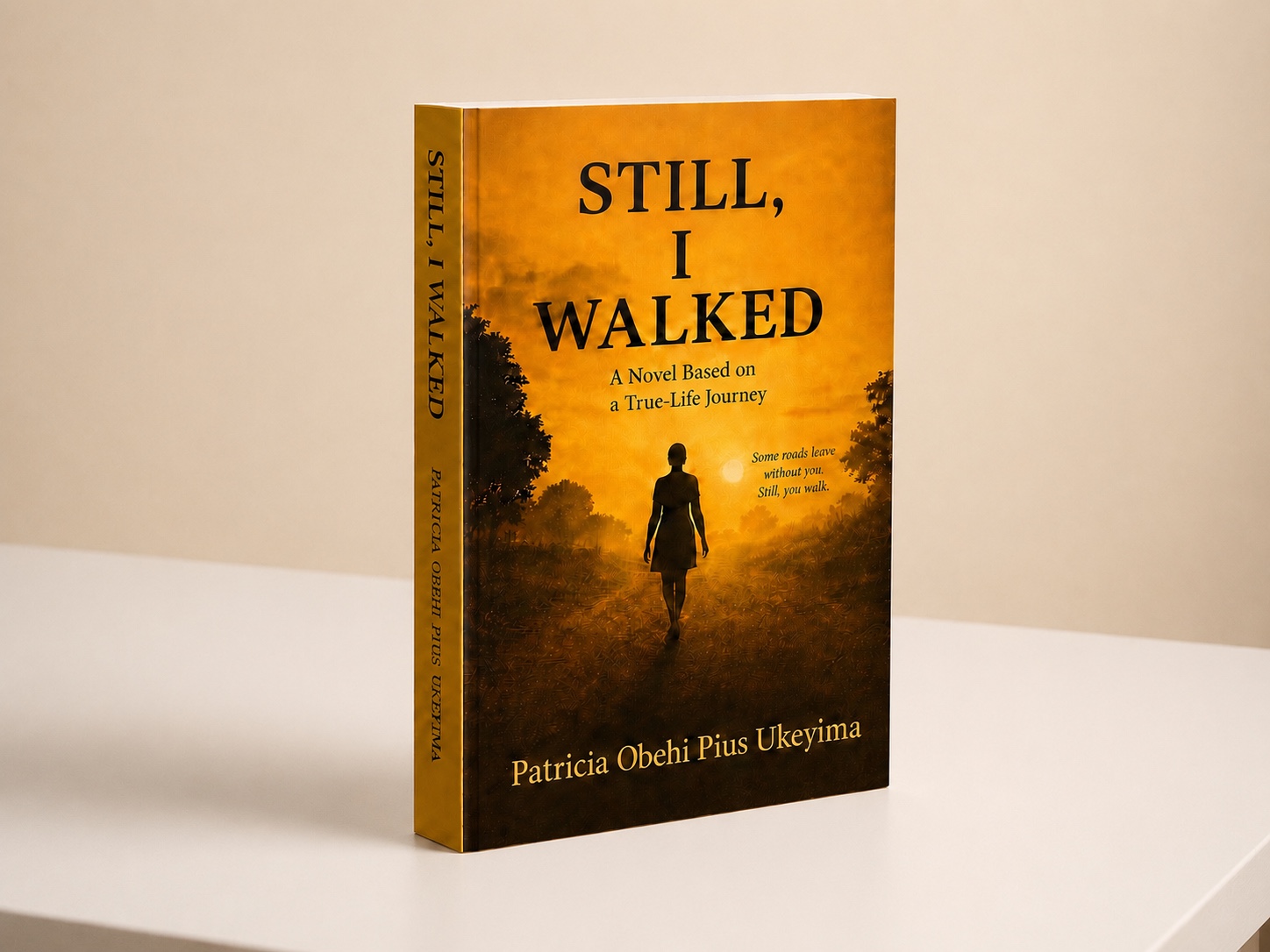
Some roads leave without you.
Still, you walk.