Romance Opens the Door
Romance is often where love first becomes visible.
It appears in attention, tenderness, gifts, laughter, attraction and the joy of being chosen. It gives two people a language of delight and creates memories that may remain precious for decades.
But romance cannot carry a marriage by itself.
Romance is strongest when life feels spacious. Marriage must also survive tiredness, disagreement, financial pressure, changing bodies, demanding work, family obligations, illness, disappointment and the ordinary familiarity of living closely with another imperfect person.
That is where respect becomes indispensable.
Romance says, "I choose you." Respect says, "Your dignity will not become negotiable because you are close to me."
A marriage may retain affection and still become careless. Two people may love one another and yet speak with contempt, dismiss each other's judgement, take labour for granted or allow familiarity to replace courtesy.
Love may create attachment. Respect determines how attachment is handled.
What Respect Is - and What It Is Not
Respect in marriage is not fear.
It is not the silence of one person so that the other can feel powerful. It is not unquestioning obedience, emotional distance, ceremonial politeness or the protection of appearances while dignity is being damaged in private.
Respect is the decision to regard your spouse as a full person whose mind, body, time, work, boundaries, history and voice are real.
It does not require agreement on every issue. It requires disagreement without erasing personhood.
It does not mean that every decision must be divided mechanically or that both spouses will always contribute in identical ways. It means that difference must not become a reason for domination, ridicule or neglect.
Mutual respect is not sameness. It is equal moral worth made visible in daily treatment.
When respect is present, neither spouse has to disappear for the other to feel important.
Affection Can Coexist with Disrespect
This is one of the uncomfortable truths of marriage.
A person may feel genuine affection for a spouse and still handle that spouse carelessly.
They may say, "You know I love you," after speaking with contempt. They may provide materially while dismissing emotional needs, celebrate anniversaries publicly while humiliating one another privately, or expose a spouse's vulnerabilities to family and friends.
Affection does not automatically correct habit. This is why love must become conduct.
Respect is one of the clearest ways love becomes believable.
Public praise cannot repair private humiliation.
A relationship cannot be measured only by how warmly two people feel in peaceful moments. It must also be measured by how they treat one another when disappointed, tired, challenged or unseen by others.
Familiarity Must Not Cancel Courtesy
People are often most courteous to those they know least.
They thank the colleague, apologise to the stranger, listen carefully to the client and lower their voice in public. Then they return home and speak to the person they love as though closeness has cancelled the need for care.
Familiarity should deepen tenderness, not reduce courtesy.
Marriage gives us access to another person's ordinary humanity: the unfinished sentence, the misplaced item, the tired face, the recurring weakness and the habits hidden from the public.
That knowledge should produce compassion, not impatience.
Marriage should be the place where a person is known deeply without being handled carelessly.
Simple courtesies still matter: "Please." "Thank you." "I am sorry." "Are you able to talk now?" "I noticed what you carried today."
These words are small, but they remind the home that love has not become entitlement.
Respect Must Survive Success and Status
There have been seasons in our marriage when both Pius and I carried demanding professional responsibilities.
Public work can bring titles, influence, pressure and recognition. It can also tempt people to carry hierarchy into the home.
During demanding seasons of legal and public-service work, I have had to notice when the clipped efficiency of the office followed me home. On one ordinary evening, I heard it in my response to Pius: a simple question answered too quickly, with a tone better suited to directing a file than speaking to my husband. I stopped, softened and answered again.
The moment was small, but the lesson was not. Marriage offered no audience for the correction and no applause for beginning again. It simply required me to recognise that professional urgency had crossed a boundary. A title may describe responsibility outside the home; it does not make one person's humanity larger inside it.
Success should expand gratitude, not entitlement. A spouse's achievement should not require the other to become smaller, and public recognition should not erase the support, sacrifice or adjustment that helped make the season possible.
Respect celebrates success without turning it into rank. It asks whose voice has become easier to overlook, whose work is being assumed and whether public importance has produced private impatience.
The person closest to your success should not become the person least protected from your pride.
Respect also honours the mind behind the marital role. A spouse has judgement, ideas, spiritual insight, professional knowledge, preferences and limits. Asking for an opinion after the outcome is fixed creates the appearance of inclusion without its substance.
Consultation is not theatre.
Respect does not require that every suggestion be accepted. It requires that the person offering it is not treated as intellectually disposable.
Respect the Labour That Keeps the Home Alive
Some work is visible because it ends in a document, salary, promotion or public result. Other work disappears into the smooth running of life.
Meals are planned. Appointments are remembered. Children's needs are anticipated. Relatives are contacted. Supplies are replaced. Emotional temperatures are monitored. The home is restored after everyone has used it.
Because this work is repeated, it can become invisible.
The person whose labour is always assumed eventually feels less like a partner and more like infrastructure.
Respect names contribution. It notices planning as well as performance, mental labour as well as physical effort, care as well as income.
This does not mean every task must be divided equally each day. Capacity changes with illness, pregnancy, work seasons, caregiving and other responsibilities.
Respect asks whether the arrangement is fair, visible and open to review. A household may appear to function while one spouse is quietly exhausted by work that has never been named, shared or thanked. Functioning is not the same as fairness.
Gratitude should recognise the ordinary work that prevents daily life from collapsing, not only sacrifice dramatic enough to be noticed.
Disagreement, Damage and Repair
Conflict reveals whether respect is a principle or merely a mood.
When disappointed, some spouses interrupt, mock, threaten, compare, expose secrets, recruit family members, use silence as punishment or attack the other person's competence.
The issue being discussed may be real. The method may still be wrong.
Disagreement does not suspend dignity.
You may challenge a decision without belittling the decision-maker. You may name harm without describing the whole person as harmful. You may insist on change without enjoying humiliation.
Contempt is not honesty with confidence. It is dignity denied.
A respectful conflict keeps the issue proportionate. It does not collect every old failure to strengthen today's case or use vulnerabilities disclosed in trust as ammunition.
When respect has been damaged, repair begins with specific truth: "I interrupted and mocked you." "I discussed our private matter with people who should not have been involved." "I used my income, title or knowledge to make my voice final."
A meaningful apology does not hide behind intention. "I did not mean it that way" may explain the speaker; it does not erase the listener's experience.
Respect returns when conduct becomes more trustworthy, not when the harmed person is pressured to forget.
Respect Protects Privacy and Boundaries
A marriage lives in more than one room: the private room of the couple, family gatherings, faith communities, workplaces, friendships, social media and the presence of children.
Respect travels across all of them.
Public joking can become private injury when one spouse is repeatedly made the subject of humour. Correcting a spouse harshly in front of children can damage both dignity and parental unity. Sharing intimate disagreements with relatives may invite an audience into matters that needed privacy or professional support. Posting affection online does not compensate for neglect offline.
Privacy should never conceal abuse, danger or serious harm. Seeking appropriate help is not betrayal. But ordinary vulnerability deserves protection.
Respect asks not only, "Is what I am saying true?" but also, "Is this mine to share, and is this the right audience?"
Boundaries help closeness remain safe. They may concern extended family, money, privacy, rest, social media, friendships, work, physical touch or the way conflict is conducted.
A boundary is not a declaration that love has ended. It is an instruction about how dignity can remain present.
Boundaries must be mutual. One spouse cannot demand privacy while denying it to the other, or insist on freedom while controlling the other person's movements and relationships.
A boundary used only to protect power is not mutual respect. Trustworthy boundaries are clear, reciprocal, proportionate and connected to safety rather than punishment.
Respect the Body and the Right to Consent
Marriage does not erase bodily autonomy.
Affection, touch and sexual intimacy belong within mutual consent, care and safety.
No spouse is entitled to use pressure, fear, spiritual language, financial dependence, shame or marital status to obtain access to the other person's body.
Respect listens to discomfort. It does not treat exhaustion, pain, illness, trauma or a request to stop as an insult to love.
Consent is not hostility to marriage. It is part of the dignity marriage should protect.
Tender intimacy grows where both people can speak honestly without punishment.
The body of a spouse is not property acquired by commitment. It remains the body of a person whose humanity must be honoured.
Respect Changes with Capacity
A respectful marriage does not freeze each person at the capacity they had on the wedding day.
Health changes. Careers shift. Children arrive. Parents age. Grief alters energy. Menopause, disability, depression, injury, pregnancy or caregiving may affect what a spouse can carry.
Respect adjusts without turning reduced capacity into reduced worth.
It does not confuse temporary dependence with inferiority, shame a spouse for needing help or use income as the measure of contribution.
Nor does it require the stronger spouse to carry everything indefinitely without honest discussion and appropriate support.
Respect tells the truth about capacity while protecting dignity.
Love may ask, "What do you need?" Respect also asks, "What can I no longer assume?"
Respect Is Mutual, but Harm Is Not Always Equal
Marriage requires mutual respect. Both spouses must listen, speak responsibly, honour boundaries, recognise labour and protect one another's dignity.
But mutuality should not be used to create false equivalence.
A frustrated reply is not the same as coercive control. A communication mistake is not the same as violence. A request for safety is not disrespect.
Where there is intimidation, sexual coercion, stalking, financial captivity, serious emotional abuse or physical violence, the central issue is not whether both spouses can improve their tone.
A harmed person is not disrespectful for saying no, seeking legal or professional help, involving trusted support or leaving danger.
Respectability must never be used to conceal abuse.
A marriage should protect dignity. It should not demand silence in order to protect the reputation of the person causing harm.
The Respect Test
Before speaking, deciding or acting, ask:
1. Does this recognise my spouse as a full person rather than merely a role?
2. Am I protecting dignity even while naming a difficult truth?
3. Have I considered my spouse's time, labour, judgement, body and boundaries?
4. Would I be comfortable if the way I am treating my spouse were visible to people whose respect I value?
5. Is this mutual, or am I asking for a privilege I would not grant?
6. What behaviour would make my respect visible rather than assumed?
These questions do not remove disagreement. They help ensure that disagreement does not become degradation.
Love Must Remain Human
Romance gives marriage beauty. Respect gives that beauty somewhere humane to live.
It keeps familiarity from becoming carelessness, success from becoming rank, conflict from becoming contempt and closeness from becoming entitlement.
Love may make us want to stay. Respect helps staying feel human.
Continue the romance. Celebrate anniversaries. Laugh. Flirt. Speak affection. Create memories. Delight in one another.
But do not offer romance as evidence in place of daily dignity.
The flowers matter. So does the voice used after the flowers have faded.
The public celebration matters. So does the private decision in which both people are heard.
Respect should not appear only when conflict becomes serious. It should be woven into the ordinary grammar of the home: how requests are made, how mistakes are addressed, how decisions are shared and how gratitude is expressed. A marriage becomes safer when each person knows: I am loved, and I will not be handled as though love has made my dignity optional.
Continue the Journey
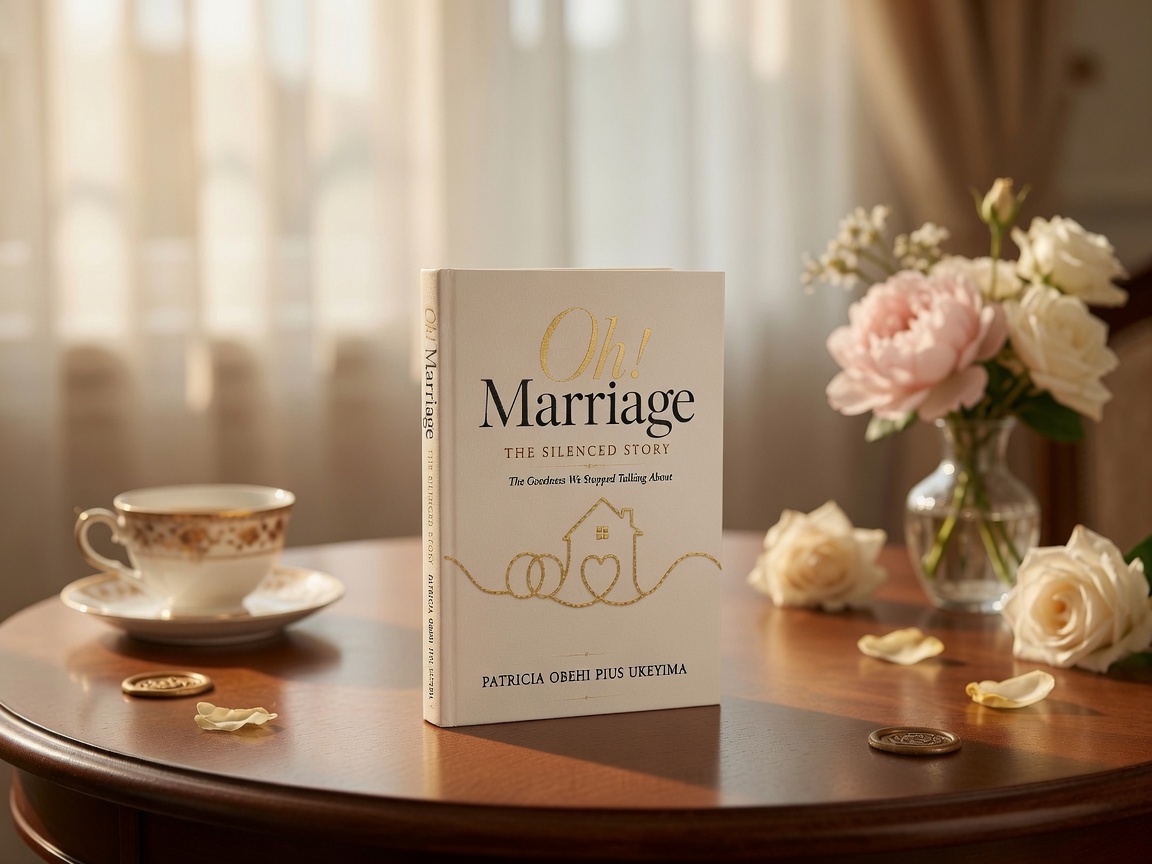
In Oh! Marriage: The Silenced Story, Patricia Pius Ukeyima explores the daily practices that help love remain trustworthy - mutual respect, honest communication, shared responsibility, boundaries, repair, friendship and the refusal to confuse commitment with control.
A Closing Reflection
Romance may make a person feel chosen. Respect helps them remain visible after they have been chosen. Let love be warm, but let dignity be non-negotiable.
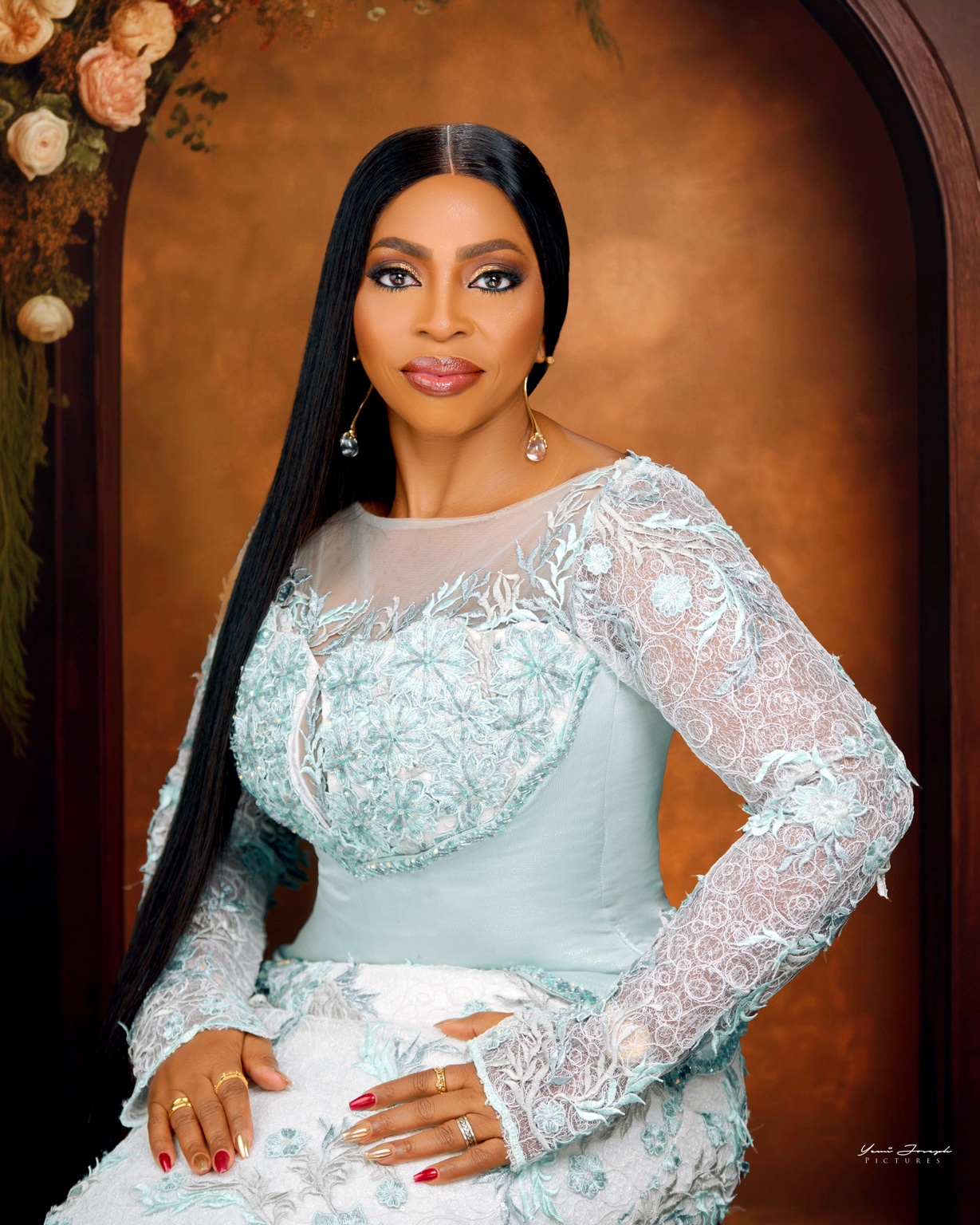
Patricia Pius Ukeyima Lawyer | Author | Speaker | Mentor Love Intentionally. Live Intentionally. Grow Intentionally.