Finding Is Not Finishing
Modern romance often speaks as though the great task is finding the right person.
We search for compatibility, attraction, shared faith, aligned values, emotional maturity and the sense that this person understands us in a way others have not.
Choosing well matters. Character, wisdom, discernment, safety and proven patterns matter. A poor choice cannot be repaired by slogans about commitment.
But even a wise choice does not arrive as a finished marriage.
A wedding joins two lives. It does not finish the work of making them a home.
This is not only an argument that love needs dependable practices. It is a different claim: marriage itself remains unfinished because two changing people must keep creating a shared life.
The question here is not simply whether love has enough structure to survive. It is whether the couple remains willing to revise the shared life as both people and their circumstances change.
The person you marry will keep learning, failing, recovering and revealing parts of themselves that neither of you could fully know at the beginning.
The Soulmate Myth Makes Work Look Like Failure
The idea of a perfect match can be comforting, but it can also become dangerous.
If marriage is imagined as finding the one person with whom everything will naturally fit, then effort may begin to look like evidence of a mistake.
A difficult conversation feels like incompatibility. Different habits feel like proof that the wrong person was chosen. Negotiating money, family, intimacy, work or rest feels less romantic than the effortless understanding people expected.
Real love still needs to learn.
Two good people can require new language, clearer agreements and wiser boundaries. Compatibility can make some things easier. It cannot remove the need for humility.
The question is not only, "Did I find the right person?" It is also, "Are we becoming people who know how to create a good shared life?"
Marriage Is an Apprenticeship in One Another
No spouse is fully known on the wedding day.
You may know the person's history, convictions, humour, habits and hopes. You do not yet know every version of them that life will reveal.
You have not met the person under every kind of pressure. Grief, parenthood, success, illness, ageing parents and changing responsibilities may reveal needs and strengths that were not visible before.
Marriage is an apprenticeship in one another.
It asks us to keep studying the person beside us rather than assuming familiarity has made curiosity unnecessary.
To know a spouse once is not to know them forever. Curiosity is one of the ways commitment remains present rather than merely historical.
What comforts you now?
What has become heavy?
What are you afraid to say because you think I already know?
What has changed in you that our old arrangement no longer recognises?
A marriage weakens when one spouse keeps relating to an earlier version of the other and refuses to learn who has emerged.
The Work Is Often Ordinary
Much of marriage is shaped in moments too ordinary to photograph.
It is shaped when someone notices that the other person is tired and adjusts the evening; when money is discussed before fear becomes accusation; when a task is completed without repeated reminders; and when a private vulnerability is protected.
It appears in the school run, the sick night, the family boundary, the hospital waiting room, the apology, the revised plan and the return to a conversation after both people have calmed down.
Grand gestures can express love. Ordinary reliability gives love a daily address.
A marriage does not become trustworthy because one beautiful day occurred. It becomes trustworthy because care can be found again in the ordinary days that follow.
A Table Covered with Real Life
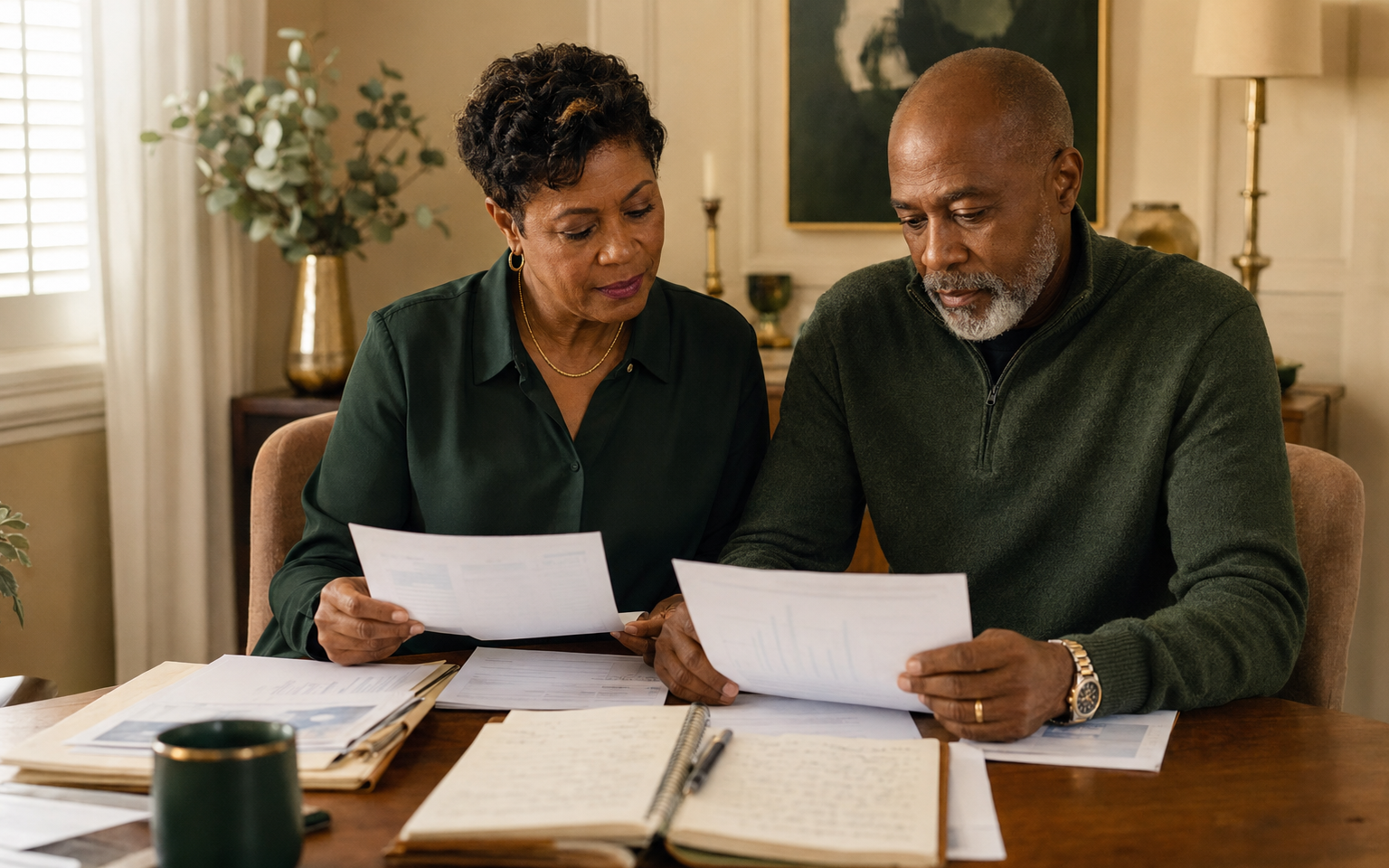
There were seasons in our marriage when the dining table held more than food.
One evening, a school form awaiting signature lay partly beneath one of my legal work files. Beside it sat a travel itinerary, a household bill and notes concerning the needs of our four growing children.
That was not a scene people usually place inside romantic photographs, yet important partnership was happening there.
Pius and I had to decide what required attention first, who had capacity to carry which responsibility and what could wait without leaving either person as the household's permanent emergency service.
The conversation was not always elegant. The value was in continuing to have it.
Sometimes the fairest decision was not the neatest division, but the one that recognised who was already stretched and who could carry more without turning support into permanent entitlement.
That table taught me that partnership is proved not only by affection, but by the repeated translation of affection into shared decisions under real conditions.
A marriage is often shaped while life is already sitting at the table.
Shared Life Requires Shared Agreements
Love cannot organise a household through assumption alone.
Couples need agreements about money, domestic work, children, extended family, privacy, intimacy, faith, work demands, rest and time.
An agreement is not cold or unromantic. It is care made visible before confusion becomes resentment.
Healthy agreements ask: Who owns this responsibility? How will we communicate when the plan changes? What does fairness look like in this season? When will we review an arrangement that is no longer working?
Shared does not always mean equal in every moment. Pregnancy, illness, work pressure, disability and caregiving may require one person to carry more.
Shared means the burden is recognised, discussed and never treated as the natural entitlement of one spouse.
Maintenance and Adaptation Are Part of Care
People understand that valued homes need attention. Relationships do too.
Couples sometimes interpret a check-in, counselling, a changed routine or a revised division of labour as proof that something has failed.
Maintenance is not failure. It is what responsible people do with something they value.
The arrangement that served newlyweds may not serve parents of young children. What worked during one career season may become unfair after illness, relocation, unemployment or caregiving.
Children grow. Bodies change. Faith deepens. Priorities shift. A couple may become excellent managers and uncertain companions.
Adaptation asks whether the daily form of the relationship still protects the values the couple promised to honour.
A financial review may reveal strain before it becomes accusation. A renewed boundary may protect the relationship from outside pressure. Counselling may help two sincere people see patterns they have been too close to recognise.
What does this season require from us?
What are we carrying out of habit rather than wisdom?
What needs to be restored, released or redesigned?
The marriage is not betrayed by adaptation. It may be protected by it.
A strong marriage is not one that never needs attention. It is one in which attention is not withheld until crisis becomes the only available teacher.
Friendship Must Not Disappear
A couple can run an efficient household and still lose the friendship that once made them enjoy one another.
Responsibilities are necessary, but marriage should not become only a management partnership.
Friendship grows through attention that has no administrative purpose: a conversation that is not about bills, a walk that is not an errand, laughter that does not need to solve anything and interest in the other person's thoughts rather than only their performance.
The question, "How are you?" matters differently when it is not immediately followed by a task.
Without friendship, spouses can begin to know each other's schedules better than their inner lives.
Friendship reminds two people that they are not merely maintaining a system. They are sharing a life.
One Person Cannot Create Mutuality Alone
The language of building can be misused.
One spouse may be told to pray more, forgive more, endure more and keep carrying the relationship while the other refuses accountability.
That is not mutuality.
Both people may not contribute identically, but both must contribute honestly through listening, change, repair, responsibility and the protection of dignity.
One person can begin a healthier pattern, seek help and establish boundaries. One person cannot create mutuality alone.
Commitment does not make coercion, cruelty, violence, sexual harm, financial captivity or serious emotional abuse acceptable.
Where there is danger, the priority is safety, qualified support and lawful protection, not preserving the appearance of a home.
Do Not Compare Your Private Marriage with Someone Else's Public Image
Comparison distorts marriage because we compare our internal reality with someone else's public exterior.
We see the anniversary photograph, holiday, coordinated clothes, public tribute or polished home. We do not see every conversation, compromise, disappointment, repair or boundary that supports the image, nor do we know whether the image is honest.
A marriage should not be lived for spectators.
Public celebration can be beautiful. It becomes dangerous when appearance begins determining private decisions.
The goal is not to look harmonious while one person feels unseen. The goal is a relationship in which truth, dignity, friendship and safety exist when no audience is present.
A beautiful front view cannot compensate for an unsafe room.
The Shared-Life Review
Couples can periodically ask:
1. What are we creating well in this season?
2. Which agreement is now unclear, unfair or outdated?
3. Where has one person's contribution become invisible?
4. What ordinary ritual keeps our friendship alive?
5. What issue are we postponing until it becomes more expensive?
6. Do both people feel free to speak, disagree and ask for help without fear?
7. What does repair require after our most recent conflict?
8. What support would strengthen us beyond what goodwill alone can provide?
The purpose is not to inspect the marriage for perfection. It is to notice what repeated choices are producing.
Keep Creating the Life You Want to Share
A marriage is not found once and then possessed forever in finished form.
It is shaped through the meanings given to words, the fairness of agreements, the handling of power, the protection of privacy, the quality of repair and the willingness to keep learning.
Choosing well matters. So does living wisely after the choice has been made.
The wedding may give the relationship a name. Daily conduct gives it a character.
Create a shared life in which truth can speak, reduced capacity does not become reduced worth, success does not create rank and conflict does not erase belonging.
The work is not dramatic every day. It is deliberate often enough that the relationship does not depend on memory alone.
You do not need perfection.
You need two people willing to notice, learn, repair and adapt so that the marriage remains a place both can live inside with dignity.
Continue the Journey
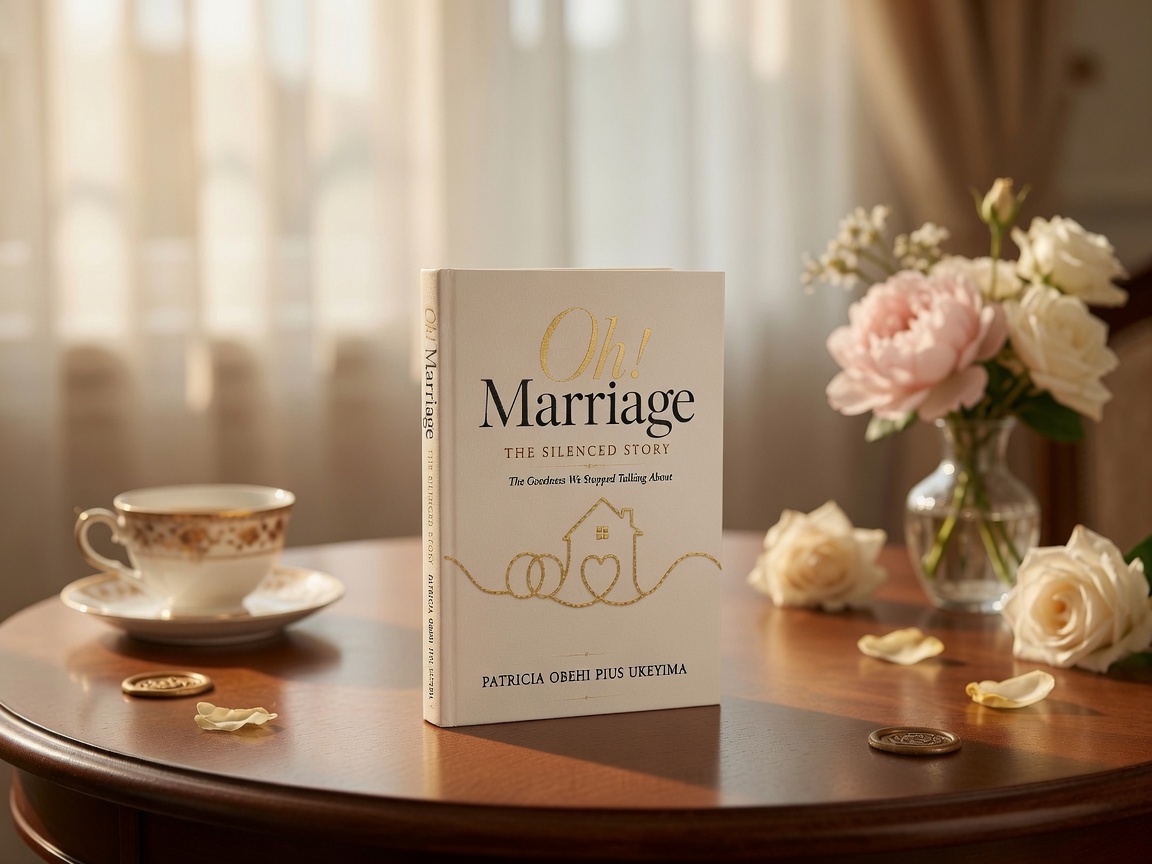
In Oh! Marriage: The Silenced Story, Patricia Pius Ukeyima explores marriage as covenant, companionship and shared life: not magic, not effortless, and not safe without mutual dignity. Its goodness grows where love is nurtured through practical care, shared responsibility, teachability and repair.
A Closing Reflection
Marriage is not discovered once and completed. It is shaped whenever two people turn love into truth, responsibility, friendship, safety and repair. Choose wisely - then keep creating wisely.
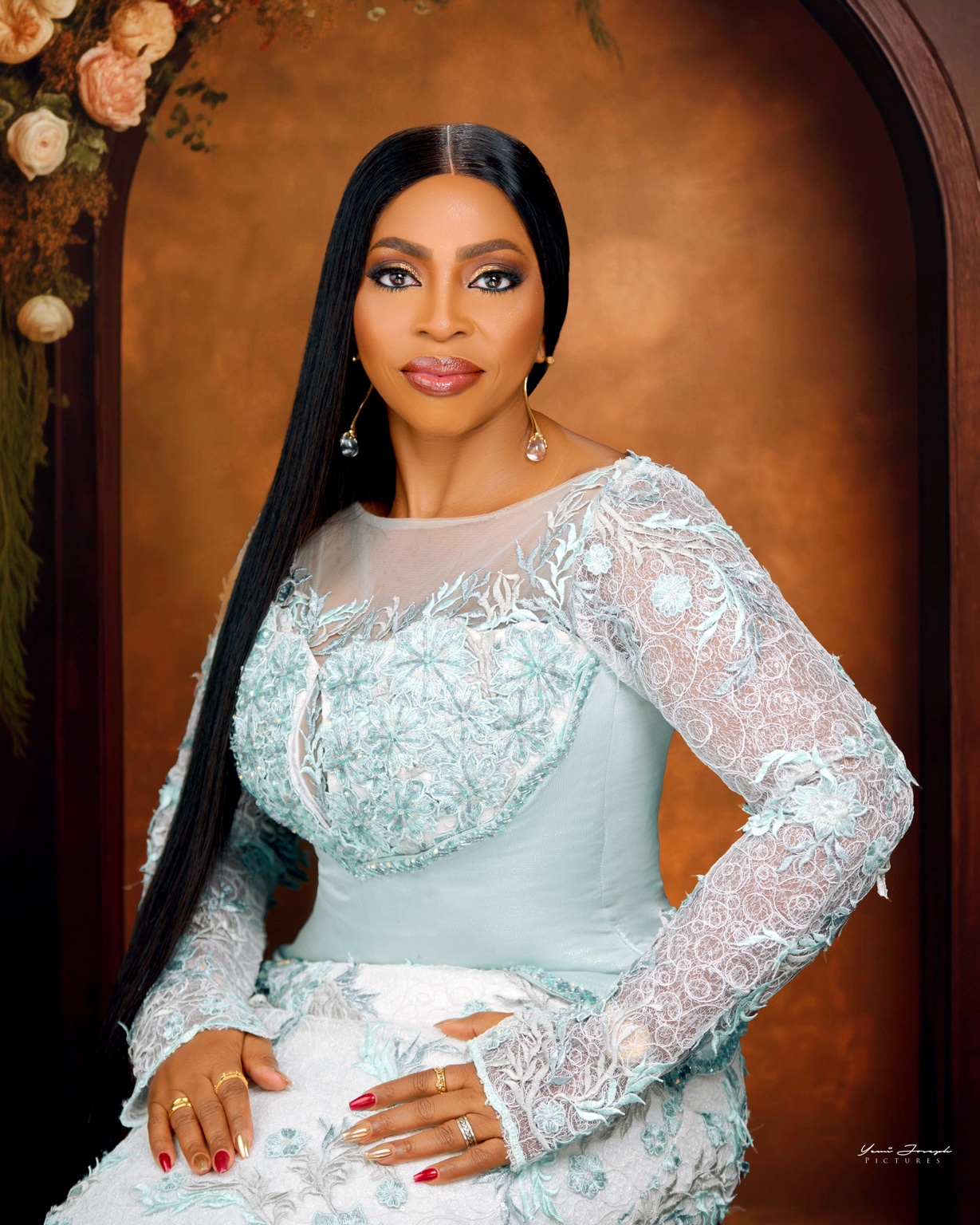
Patricia Pius Ukeyima Lawyer | Author | Speaker | Mentor Love Intentionally. Live Intentionally. Grow Intentionally.